
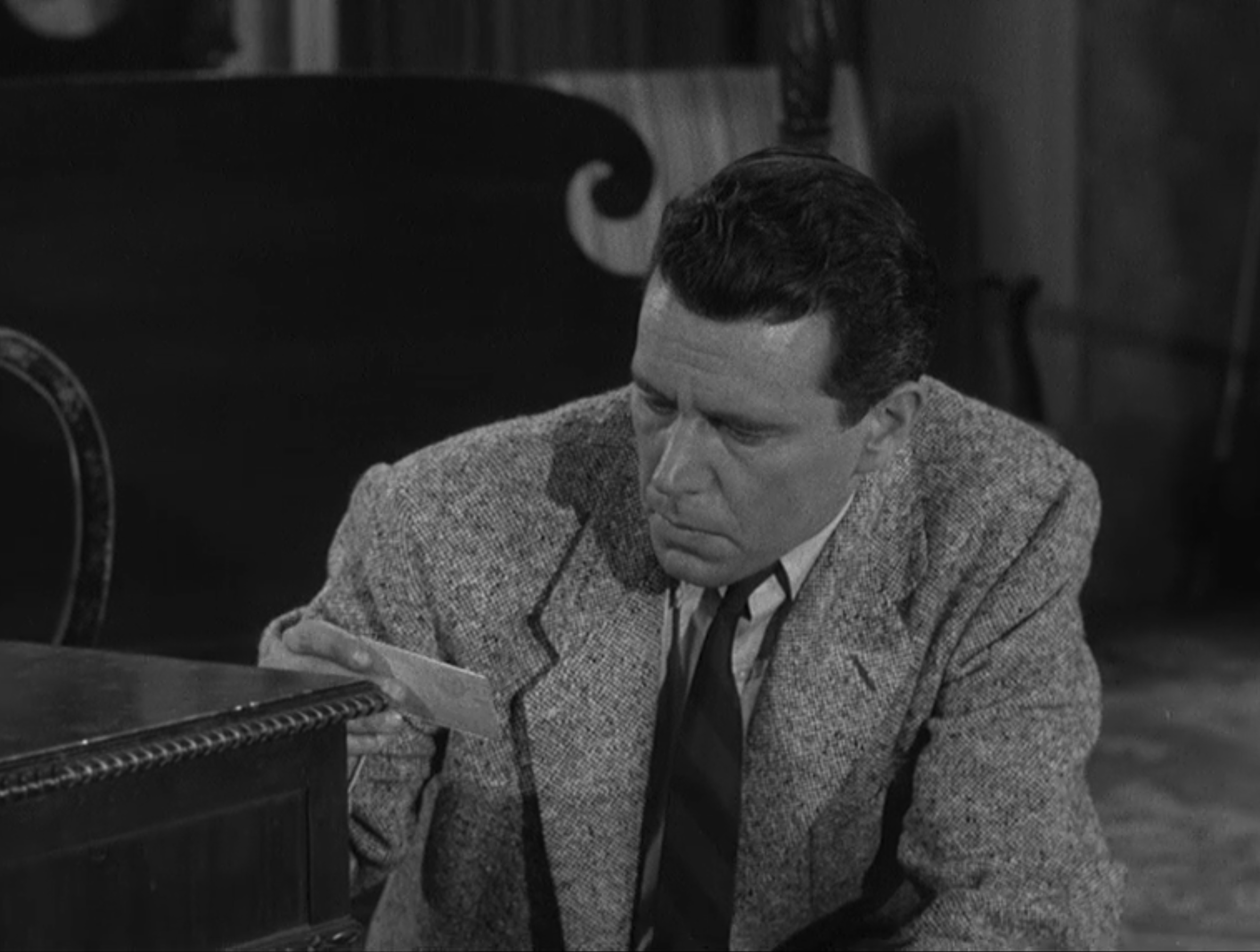
The story drops us right into the shoes of Kim Stanger, a talented pianist who flies back to his idyllic childhood hometown of Stangerford after a four-year stint in Paris. He’s driven by this nagging, unshakable feeling, a premonition, that something is deeply wrong. When he arrives, the vibe is instantly off. His family and old neighbors treat him like a ghost, or worse, an inconvenience. The real kicker lands when he asks where his dad is, only for his brother Perry and sister-in-law Susan to casually drop that the old man passed away from a heart attack on the tennis courts four years ago. Naturally, Kim is furious and deeply suspicious; why didn’t anyone bother to send a letter or a telegram across the Atlantic?
This sets off Kim’s relentless, almost unhinged crusade to uncover the truth. He aggressively interrogates the local undertaker, the coroner, and family friends like Doug Irwin, picking apart the glaring discrepancies in their stories. Everyone seems to be part of a massive, tight-lipped conspiracy to gaslight him. Kim tracks the mystery all the way down to his father’s old hunting lodge, expecting to uncover a sinister murder plot or a malicious family cover-up to rob him of his inheritance. But when Susan corners him there, she drops the actual truth bomb: there was no heart attack, but there was a cover-up.
Four years prior, Kim got into a brutal argument with his father while hunting and accidentally shot him dead. The shock fractured Kim’s mind, sending him into a deep psychogenic amnesia. His family didn’t exile him to Paris to study music; they quietly checked him into a private sanitarium in Arizona to protect him from prison. Kim didn’t return home because of a supernatural premonition, he actually escaped the facility because his buried guilt was finally clawing its way back to the surface.
When you look at the major takeaways from this episode, it completely flips the script on what you think you’re watching. At first glance, Kim looks like the righteous hero fighting a town full of corrupt, shady liars. But as the truth unfurls, you realize his family’s secrecy didn’t come from malice; it came from a place of profound, tragic protection. They sacrificed their own peace of mind to shield him from the horror of his own actions. Kim’s “premonition” is the ultimate psychological coping mechanism, a literal defense construct his brain manufactured because looking at his actual reflection was too terrifying.
The core lesson Hitchcock leaves us with here is that the human mind is entirely capable of building its own haunted houses just to avoid facing a harsh reality. We often project our internal guilt outward, accusing the world of conspiring against us when the real antagonist is looking right back at us in the mirror. It’s a tragic, beautifully paced piece of psychological noir that proves sometimes the things we are running from are things we carry right inside our own heads.
