
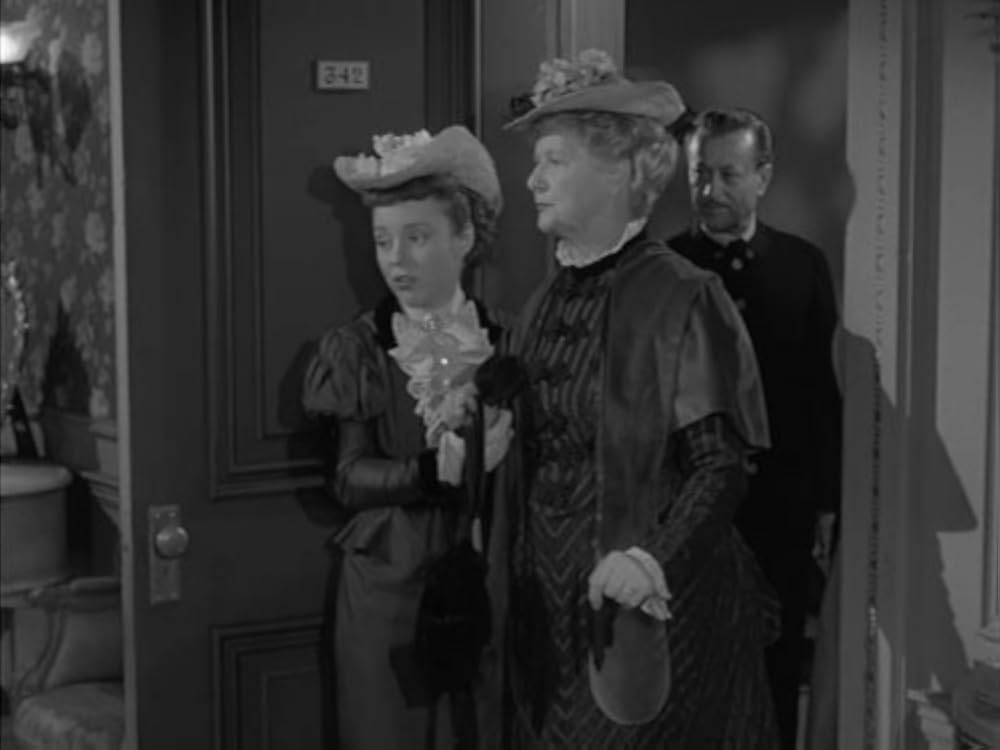
If you have ever felt like the world was gaslighting you, the 1955 Alfred Hitchcock Presents episode Into Thin Air is the ultimate mid century anxieties trip. Starring Hitchcock’s own daughter, Pat Hitchcock, as Diana Winthrop, the story kicks off with a simple and relatable premise. Diana and her mother arrive in Paris for the big Exposition, but the mother falls ill at their hotel. Diana heads out to grab some medicine on the doctor’s orders, but when she gets back, the twilight zone doors swing wide open. Her mother is gone, the hotel room looks completely different, and the staff swears she checked in entirely alone.
As a breakdown of psychological dread, this episode works beautifully because it exploits our deepest fears of isolation and institutional conspiracy. Diana is an earnest, fiercely loyal daughter, making her the perfect emotional anchor for the audience. When the hotel clerk and the local authorities smoothly deny her reality, you feel that claustrophobic panic right along with her. Basil Farnham, an English diplomat who steps in to help, serves as the voice of logic, trying to balance Diana’s frantic certainty against the hotel’s polite stonewalling. The narrative structure is a masterclass in tension, taking a slice of folklore, the classic vanishing hotel room urban legend, and stripping away any comfort. It forces us to watch a young woman fight an entire system just to prove her own sanity.
The ultimate takeaway from this story comes down to a harsh truth about human nature and institutional self preservation. We later find out the mother had the bubonic plague, and the hotel, along with the government, covered it up to prevent a massive panic that would ruin the Paris Exposition. Looking closely at the characters, the hotel staff are not cackling villains, they are just bureaucrats protecting an economy at the expense of a human life. The core lesson here is that systems will almost always prioritize public order and financial interests over the individual. Diana’s nightmare is a timeless reminder that when the machinery of society decides to protect itself, truth becomes the very first casualty.
