
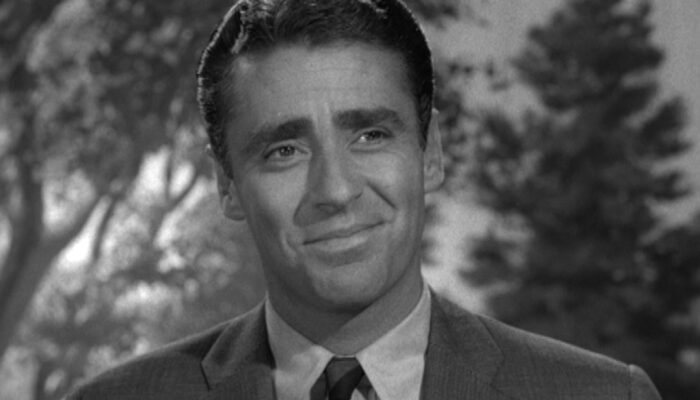
The breakdown of this story is all about the layers of deception and the beautiful irony of the Hitchcockian twist. John Williams plays the perfect foil here, seeming like a homesick, naive gentleman pumping Charlie for details about London. But the genius of the narrative is that everyone is wearing a mask. When Charlie rolls into San Francisco to claim his prize, the police are waiting for him, and the trap snaps shut. The guy Charlie killed was not the real Hendricks at all; he was actually a con artist named English Jim who had already murdered the real heir back in New York. By stealing the identity of a killer, Charlie locks his own handcuffs, proving that his big gamble was rigged against him from the start.
The big takeaway from these characters is a sharp lesson in ego and karma. Charlie represents the ultimate hubris of a gambler, a guy who thinks he can always spot the angle and beat the system, yet he walks right into another grifter’s leftovers. English Jim represents the temporary success of a predator, proving that in this grim world, you might think you are the shark until you meet a different monster. The overarching gist of the story tells us that shortcuts are an illusion. In the end, trying to steal another man’s life only inherits his sins, making the title a brilliant double meaning because the long shot always leaves you empty handed.
