
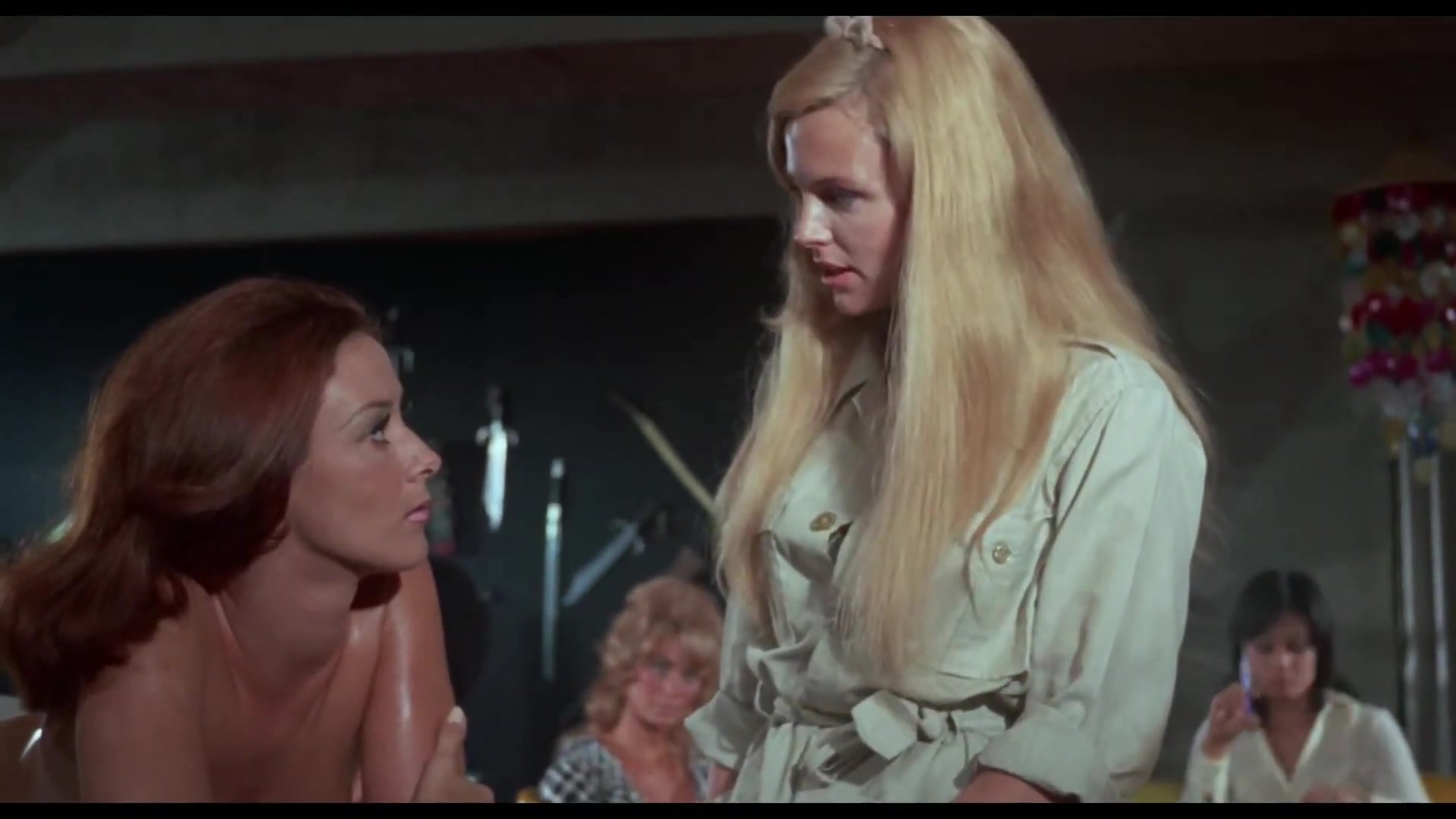
Directed by Robert Vincent O’Neill, the 1973 exploitation film Wonder Women (also released as The Deadly and the Beautiful) is a quintessential artifact of 1970s grindhouse cinema. Far removed from the wholesome comic book heroine that shares a similar name, this low-budget action-crime hybrid was shot on location in the Philippines and relies heavily on the era’s signature blend of camp, reckless stunt work, and gratuitous thrills. While it lacks a polished narrative structure, it compensates with an unrelenting B-movie energy that makes it a fascinating window into the world of drive-in theater trash cinema.
The film’s wonderfully absurd plot centers on the villainous Dr. Tsu, played with surprising commitment by Hollywood veteran Nancy Kwan. Operating from a secluded island fortress near Manila, Dr. Tsu utilizes a lethal, machine-gun-wielding army of martial arts “superwomen” to kidnap world-class athletes. Her goal is to harvest their prime organs and brains to transplant them into the bodies of wealthy, aging clients looking to buy immortality. The narrative kicks into gear when Lloyd’s of London insurance investigator Mike Harber (Ross Hagen) is dispatched to find a missing jai alai champion, subsequently setting off a dangerous collision course with Tsu’s foxy commandos.
The performances perfectly mirror the film’s campy, low-budget pedigree. Ross Hagen, who also produced the film, delivers a gravel-voiced, classic ’70s machismo performance as the cynical investigator who objectifies women and shoots first. Nancy Kwan serves as the film’s true anchor, bringing a layer of refined, sinister charisma to a character that could have easily felt entirely one-dimensional. The supporting cast is amplified by cult favorites, including B-movie staple Sid Haig as the flamboyant accountant Gregorious, and Vic Diaz as the entertaining, jeepney-driving sidekick Lapu-Lapu.
Technically, Wonder Women wears its budgetary constraints like a badge of honor, but it excels in pure spectacle. The centerpiece of the film is a sprawling, legitimately impressive foot and car chase through the chaotic streets of Manila that was filmed using guerrilla tactics without proper street closures. Beyond the action, the film features delightfully bizarre sci-fi concepts, most notably a hilarious “brain sex machine” sequence where characters don electronic headsets to achieve intimacy from opposite sides of a red couch. These moments are all elevated by a thumpy, era-specific funk score from Carson Whitsett that keeps the momentum pulsing.
Ultimately, Wonder Women is not a film designed for mainstream audiences seeking tight writing or high-fidelity fight choreography. It functions best as an unhinged time capsule of international co-productions from a lawless era of filmmaking. For fans of classic grindhouse, drive-in schlock, and exotic Eurospy-style tropes, this piece of celluloid history offers an incredibly fun, fast-paced ride that fully embraces its own ridiculousness.
